do the hard things first
1 year ago
when we outsource the work necessary to solve a challenge, we deprive ourselves of the growth that comes with it.
the gratification that comes with instant output is disregulating. it creates an unrealistic expectation around building mastery and proficiency, and reduces the likelihood that we will stick with something.
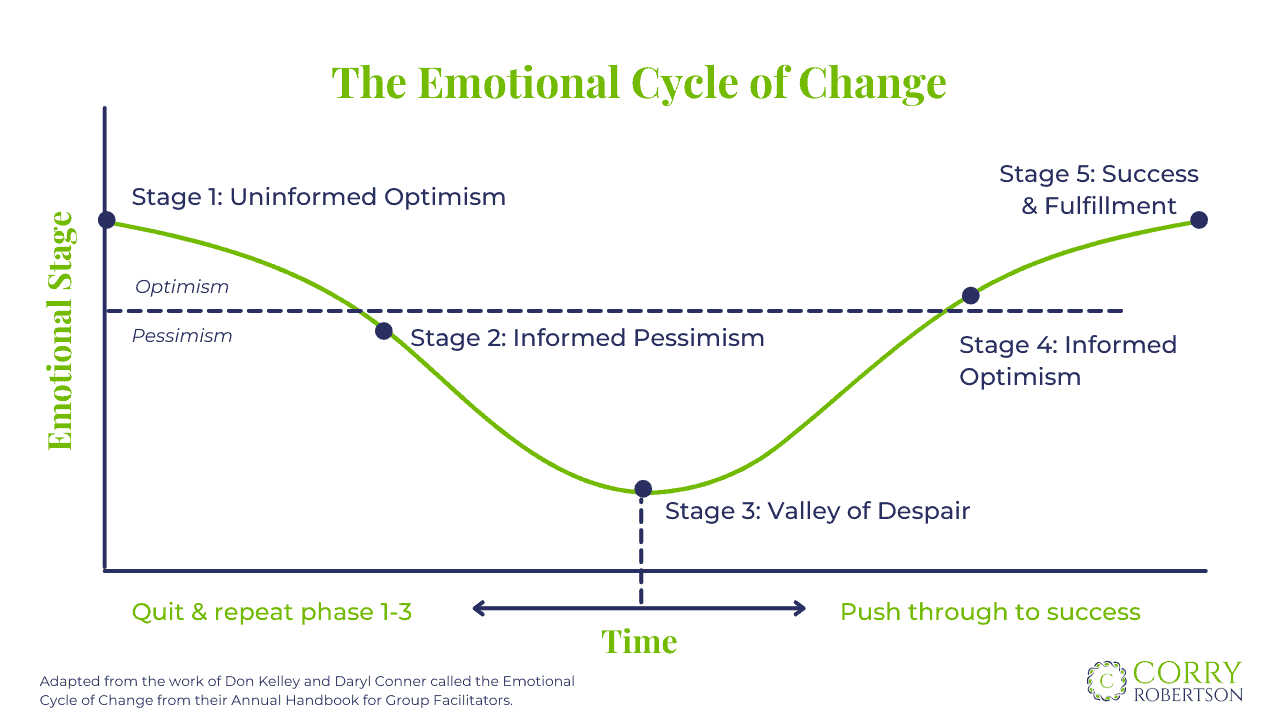
we become impatient, we take shortcuts, we give up. and in the process, we deprive ourselves of the longer-term, lasting satisfaction that comes from doing something difficult.
instant gratification becomes self-reinforcing, in a tighening loop. faster, easier, with less friction, but also with less intrinsic reward.
The analysis of the L.L.M. users showed fewer widespread connections between different parts of their brains; less alpha connectivity, which is associated with creativity; and less theta connectivity, which is associated with working memory. Some of the L.L.M. users felt “no ownership whatsoever” over the essays they’d produced, and during one round of testing eighty per cent could not quote from what they’d putatively written. The M.I.T. study is among the first to scientifically measure what Kosmyna called the “cognitive cost” of relying on A.I. to perform tasks that humans previously accomplished more manually. Kyle Chayka